
 By
By Iran Protests 2026: US and Israel Interests Amid Tehran’s Show of Strength
Iran is once again at the center of global attention as widespread protests continue across the country. What initially began as public anger over economic hardship has grown into a broader expression of frustration toward governance, accountability, and daily living conditions. Rising inflation, a weakening currency, and unemployment have placed enormous pressure on ordinary citizens, pushing many into the streets despite the risks involved.
The demonstrations have spread across major cities and smaller towns, reflecting a deep and widespread sense of dissatisfaction. Protesters come from diverse backgrounds, including students, workers, and traders, signaling that the unrest is not limited to a single group or region. While the causes are largely domestic, the consequences are being closely watched far beyond Iran’s borders.
Why the United States Is Watching Closely
For the United States, Iran’s internal unrest presents both an opportunity and a challenge. Washington has long viewed Tehran as a strategic rival in the Middle East, particularly due to Iran’s regional influence, missile capabilities, and nuclear ambitions. Protests inside Iran place additional pressure on the Iranian leadership and offer the U.S. a chance to increase diplomatic and political leverage.
At the same time, the U.S. must balance its public messaging carefully. Open intervention or aggressive rhetoric risks reinforcing Iran’s long-standing narrative that foreign powers seek to destabilize the country. Such perceptions can sometimes strengthen nationalist sentiment inside Iran, allowing authorities to rally support and justify harsh responses.
Israel’s Strategic Concerns
Israel views developments in Iran primarily through the lens of national security. Tehran’s military strength, support for regional allies, and technological advancements have long been regarded as direct threats. Internal instability in Iran could, in theory, reduce its regional reach. However, it could also create unpredictable outcomes that might increase tensions.
As a result, Israel has largely adopted a cautious approach, monitoring the situation closely without overt public involvement. Any perception of Israeli interference could escalate tensions and further harden Iran’s stance, something Israeli strategists are keen to avoid.
Iran’s Response: Resilience Under Pressure
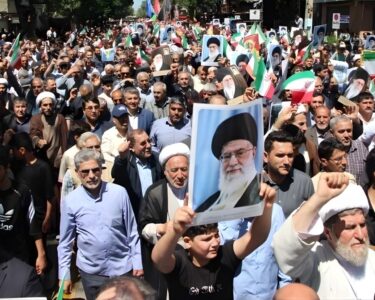
Despite sustained protests and international scrutiny, Iran’s leadership continues to project strength. Security institutions remain firmly under state control, and authorities have responded decisively to demonstrations. Alongside enforcement measures, the government has emphasized national unity and resistance to foreign influence, portraying the unrest as part of a broader external pressure campaign.
Iran’s ability to maintain internal order while signaling deterrence abroad reflects its long-developed strategy of resilience. The country has faced sanctions, diplomatic isolation, and regional confrontations for decades, and its leadership views endurance itself as a form of power. By maintaining control and rejecting outside pressure, Tehran aims to show that it cannot be easily destabilized.
A Critical Moment Ahead
The current protests represent a pivotal moment for Iran. Domestically, they highlight genuine economic and social grievances that demand long-term solutions. Internationally, they intersect with the strategic interests of the United States and Israel, both of whom are closely observing Iran’s next moves.
While the situation remains fluid, one reality is clear: Iran continues to assert itself as a resilient state, determined to manage its internal challenges on its own terms while resisting external influence. How this balance unfolds will shape not only Iran’s future but also the broader dynamics of the Middle East.