
 By
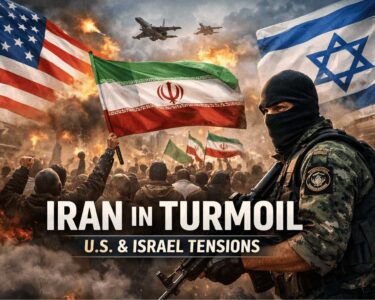
By In late December 2025, widespread protests erupted across Iran, rapidly evolving from demonstrations over economic hardship into one of the most sustained challenges to the Islamic Republic in decades. What began with anger over soaring inflation, the collapse of the Iranian rial, and rising costs of basic goods turned into nationwide marches calling for deeper political change.
The government’s response has been brutal. Security forces—backed by the Islamic Revolutionary Guard Corps (IRGC)—have cracked down hard, leading to thousands of deaths and mass arrests, even as authorities imposed a nationwide internet blackout to stifle communication and hide the extent of the unrest.
Why Iranians Are in the Streets
The catalyst was economic collapse. Years of inflation and mismanagement, compounded by international sanctions and the fallout from a costly war with the U.S. and Israel in 2025, have devastated daily life. Many Iranians are struggling to afford essentials. The currency has plummeted, striking a blow to savings and livelihoods.
But discontent has broadened. Protesters now often call for political accountability, reform, and even systemic change. In cities from Tehran to provincial towns, diverse groups—students, merchants, and workers—are standing shoulder to shoulder, chanting for justice and an end to corrupt governance.
The U.S. Interest: Support, Sanctions, and Strategic Leverage
The United States has watched the turmoil closely. President Donald Trump has publicly supported Iranian demonstrators, promising that “help is on its way” and warning Tehran against executing detained protesters—a signal that Washington could pursue military or diplomatic pressure if the crackdown intensifies.
U.S. officials have also urged American citizens to leave Iran amid escalating violence, highlighting fears of further chaos.
For Washington, the protests present both an opportunity and a dilemma. On one hand, backing human rights and democratic expression aligns with stated U.S. values. On the other, overt intervention risks fueling Iranian nationalism and accusations of foreign meddling—charges Tehran regularly leverages to unify its population against outside influence.
Moreover, for U.S. policymakers, Iran remains a core strategic challenge—its nuclear ambitions, regional influence, and rivalry with America and its allies make Tehran’s internal stability a matter of international security. The U.S. also seeks leverage in any future negotiations over Iran’s nuclear program, missile development, and regional behavior.
Iran’s Response: Strength Amid Crisis
Yet amid turmoil, Iran has shown resilience. The regime has not collapsed nor capitulated to external pressure. Despite intense unrest, key security institutions remain loyal, and authorities have organized pro-government rallies to project strength.
Tehran has repeatedly rejected outside interference, framing the protests as foreign-backed attempts to destabilize Iran. Officials have blamed the U.S. and Israel for manipulating unrest and have threatened retaliatory strikes if attacked—signaling that Iran still wields strategic leverage and is not easily coerced.
In this high-stakes standoff, Iran’s leadership is asserting control domestically while maintaining sovereign defiance on the world stage.
Conclusion
The protests in Iran reflect deep societal frustration and demand for change. While the U.S. voice looms large—advocating for human rights and signaling pressure—Tehran continues to hold firm, balancing internal repression with outward defiance. In this complex geopolitical chess game, both nations are deeply invested: the U.S. in reshaping regional dynamics and bolstering democratic voices, and Iran in preserving sovereignty and regime survival.
The outcome remains uncertain, but the events now unfolding may reshape Iran’s future and its relationship with the world.